



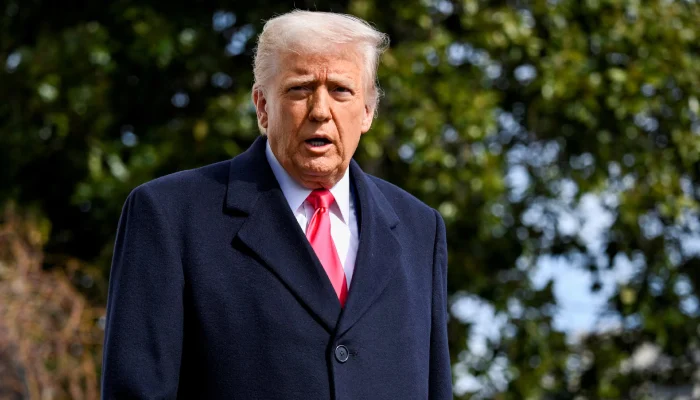
Donald Trump has issued some of the strongest public military threats of any modern U.S. president. Throughout the Iran conflict, however, he has also repeatedly softened, delayed, or reversed many of those warnings.
The 80-year-old Republican frequently changed his position after the conflict erupted on February 28. At times, he announced a tough military stance only to revise it days—or even hours—later.
Trump repeatedly claimed that U.S. operations had devastated Iran’s military capabilities. Despite those declarations, he later adjusted his timeline, altered his military plans, or warned Tehran of additional strikes.
His rhetoric toward Iran’s leadership also shifted significantly. On June 17, Trump described Iran’s new leaders as “very smart” and “far less radicalised” than the officials killed in U.S. and Israeli strikes. Less than a month later, on July 8, he reversed course, saying, “I don’t want to deal with them anymore, they’re scum.”
Below are some of the most notable examples of Trump’s threats toward Iran and the instances when he later modified or delayed those positions.
March 21: Trump Threatens Iranian Power Plants
On March 21, Trump warned on Truth Social that the United States would target Iran’s power plants if Tehran failed to fully reopen the Strait of Hormuz within 48 hours.
The threat drew widespread attention because many legal experts consider deliberate attacks on essential civilian infrastructure potential violations of international humanitarian law.
March 23: Deadline Extended
Two days later, Trump extended the deadline by five days, saying negotiations with Iran had been “very good and productive.”
He also postponed any military action against Iran’s energy infrastructure until April 6 to allow diplomatic talks to continue.
April 5: Stronger Rhetoric
As the extended deadline approached, Trump published another Truth Social post using forceful language. He again demanded that Iran reopen the Strait of Hormuz and ended the message with the phrase, “Praise be to Allah.”
April 7: Warning of Massive Destruction
On April 7, Trump posted that “A whole civilisation will die tonight, never to be brought back again.”
Many observers interpreted the statement as a warning of large-scale military action against Iran.
April 7: Bombing Suspended
Hours later, Trump announced that he would suspend military operations against Iran for two weeks after accepting a ceasefire proposal presented through international mediators following discussions with Pakistani leaders.
June 11: Military Strike Announced
On June 11, Trump declared that the United States would strike Iran “VERY HARD TONIGHT.” He also said U.S. forces planned to target Kharg Island and other locations connected to Iran’s oil infrastructure.
June 11: Strikes Cancelled
Only five hours later, Trump announced that he had cancelled the planned strikes. He said negotiations toward a broader agreement to end the conflict had made enough progress to justify delaying military action.
An interim agreement later reduced fighting, but the conflict intensified again within weeks. Iran launched attacks on U.S. facilities across the Middle East, while U.S. forces expanded their operations to include Iranian coastal defences, bridges, and other infrastructure.
July 31: New Military Warning
During a cabinet meeting on July 31, Trump renewed his warnings, saying the United States would strike Iran hard until its leaders decided they could no longer continue the conflict.
August 1: Claim of a New Request
The following day, Trump said Iran and several Middle Eastern countries had asked the United States to delay another military operation because negotiators had reached the basic framework of a new agreement.
Iranian state media rejected that claim and said the Islamic Republic had not made such a request.
Trump’s Changing Approach to Iran
Throughout the conflict, Trump frequently alternated between escalating military threats and announcing diplomatic pauses. His public statements often changed within days or even hours, creating uncertainty over U.S. policy toward Iran.
Whether announcing new military action, delaying planned strikes, or highlighting diplomatic negotiations, Trump consistently kept the conflict at the center of international attention.